
Research
Learn how we are advancing the field of post-acute Traumatic Brain Injury (TBI) research.
OVERVIEW
Our most valuable tool for treating a brain injury is the brain itself. Our staff conduct research focused on continual improvement in the field of neurorehabilitation as well as partnering with local institutions of higher education on innovations in brain injury treatment. We also share our knowledge with the communities we serve by providing continued education opportunities and hosting conferences and events.
COLLABORATIONS
Moody Neuro in Lubbock & the Texas Tech University College of Mechanical Engineering
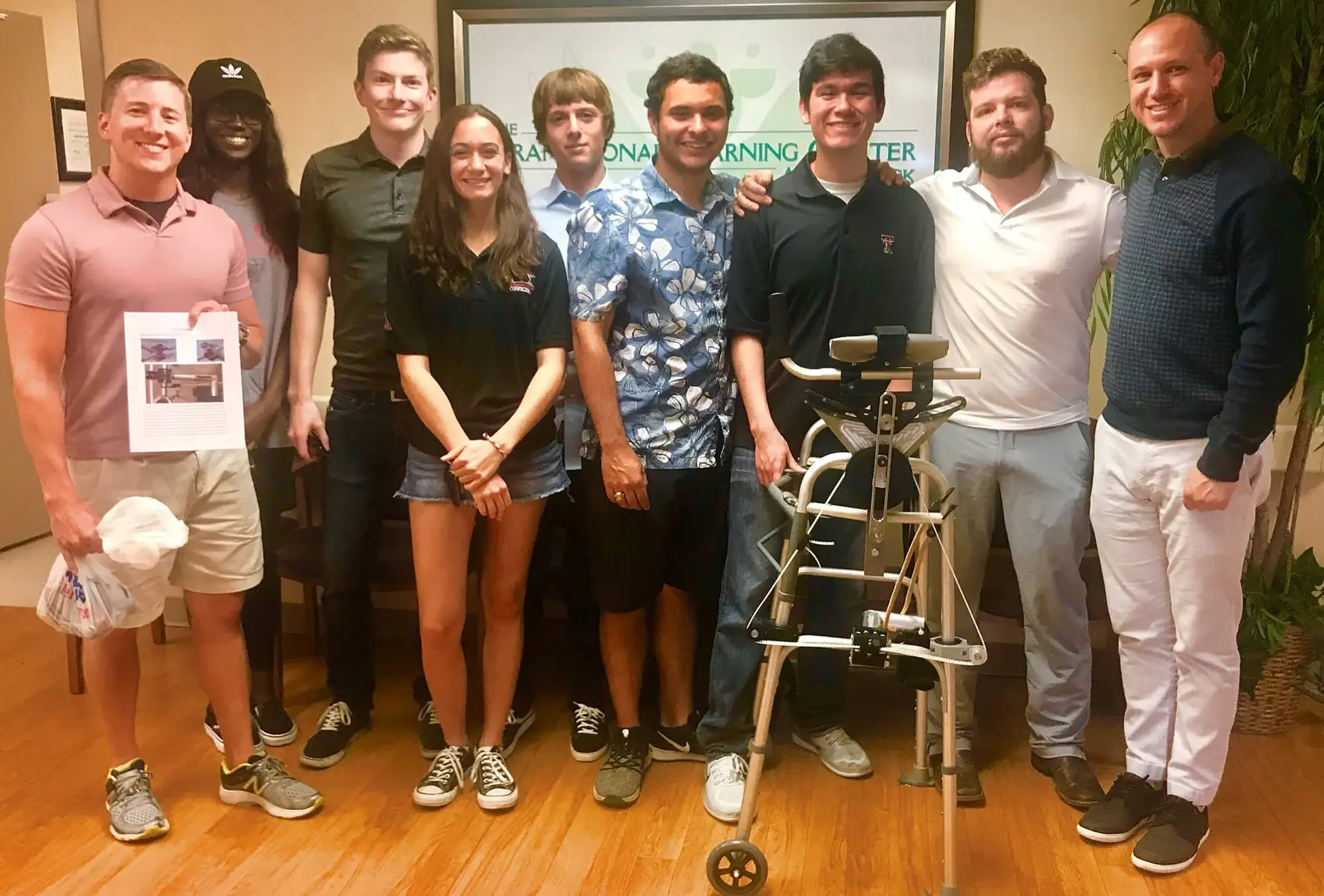
In the Fall of 2018, the clinical team from Moody Neuro in Lubbock initiated a partnership with Dr. Jeff Hanson and the Texas Tech University College of Mechanical Engineering. Senior engineering students met with the Moody Neuro clinical team to work on a rolling walker to improve upper extremity range of motion while the patient ambulated, whereas the movement of the lower extremity would mechanically assist the upper extremity movement through a series of pulley systems and gears as the patient ambulated. The students created a prototype, which they were able to test throughout the school semester, and in May 2019 the senior students presented Moody Neuro in Lubbock with their final project design. The project was deemed an overall success and plans were made for future senior projects to be partnered with Moody Neuro.
ARTICLES
Psychiatric Disease and Post-Acute Traumatic Brain Injury.
Neuropsychological and Physiological Correlates of Fatigue Following Traumatic Brain Injury
Functional Changes after Recombinant Human Growth Hormone Replacement in Patients with Chronic Traumatic Brain Injury and Abnormal Growth Hormone Secretion
Success Stories
Admissions Department
409-762-6661
8:00 AM – 5:00 PM